Oxytocin
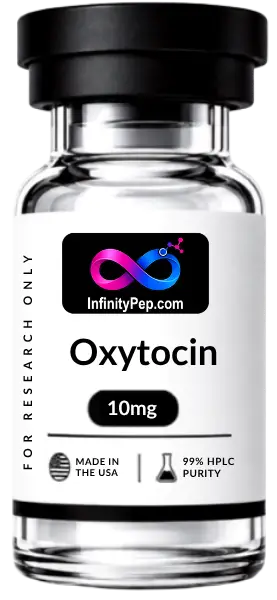
Oxytocin is a cyclic nonapeptide hormone produced in the hypothalamus and released from the posterior pituitary, acting at the oxytocin receptor. It has been studied extensively in experimental models of social behavior, uterine and mammary smooth-muscle physiology and neuroendocrine signaling.
For in-vitro laboratory research only. Not for human or veterinary use.
Reference data
Lab reports
Storage & handling
Store lyophilized material at -20°C, protected from light and moisture.
Handle in a laboratory setting using appropriate personal protective equipment.
Questions about Oxytocin
What is Oxytocin?
Oxytocin is a cyclic nonapeptide hormone produced in the hypothalamus and released from the posterior pituitary, acting at the oxytocin receptor. It has been studied extensively in experimental models of social behavior, uterine and mammary smooth-muscle physiology and neuroendocrine signaling.
What is the CAS number of Oxytocin?
The CAS registry number of Oxytocin is 50-56-6.
What is the molecular formula and weight of Oxytocin?
Molecular Formula: C43H66N12O12S2. Molecular Weight: 1007.19 g/mol.
How is Oxytocin tested?
Every lot of Oxytocin is analysed by an independent, third-party laboratory using HPLC for identity and purity. The Certificate of Analysis for each lot — lot number, test date and result — is published and listed on this page.
How should Oxytocin be stored?
Store lyophilized material at -20°C, protected from light and moisture.
Is Oxytocin for human use?
No. Oxytocin is sold strictly for in-vitro laboratory research by qualified researchers aged 21 and over. It is not for human or veterinary use and is not a drug, food, supplement or cosmetic.