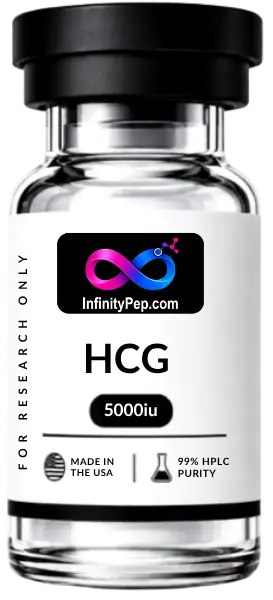
HCG
Human chorionic gonadotropin (hCG) is a glycoprotein hormone composed of an alpha subunit shared with LH, FSH and TSH and a hormone-specific beta subunit. It acts at the LH/choriogonadotropin receptor and is used in laboratory research on gonadal steroidogenesis and reproductive endocrinology.
For in-vitro laboratory research only. Not for human or veterinary use.
Reference data
Lab reports
Storage & handling
Store lyophilized material at -20°C, protected from light and moisture.
Handle in a laboratory setting using appropriate personal protective equipment.
Questions about HCG
What is HCG?
Human chorionic gonadotropin (hCG) is a glycoprotein hormone composed of an alpha subunit shared with LH, FSH and TSH and a hormone-specific beta subunit. It acts at the LH/choriogonadotropin receptor and is used in laboratory research on gonadal steroidogenesis and reproductive endocrinology.
What is the CAS number of HCG?
The CAS registry number of HCG is 9002-61-3.
How is HCG tested?
Every lot of HCG is analysed by an independent, third-party laboratory using HPLC for identity and purity. The Certificate of Analysis for each lot — lot number, test date and result — is published and listed on this page.
How should HCG be stored?
Store lyophilized material at -20°C, protected from light and moisture.
Is HCG for human use?
No. HCG is sold strictly for in-vitro laboratory research by qualified researchers aged 21 and over. It is not for human or veterinary use and is not a drug, food, supplement or cosmetic.